


Meta Description
Understand the key differences between original and clone Rosemount transmitters. Learn common fake instrument risks and how EPC buyers verify genuine Emerson devices to avoid project failure.
Introduction
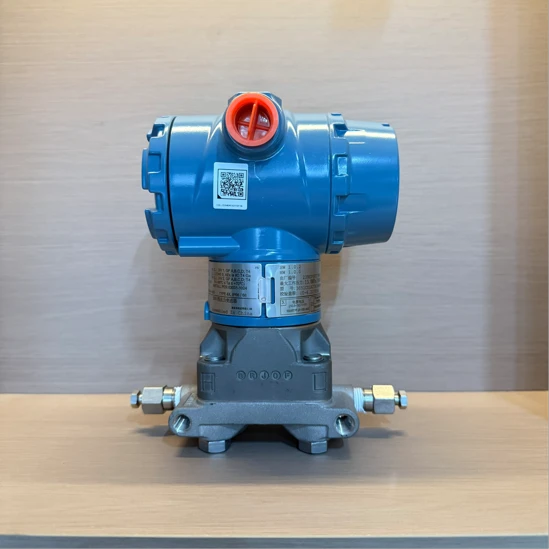
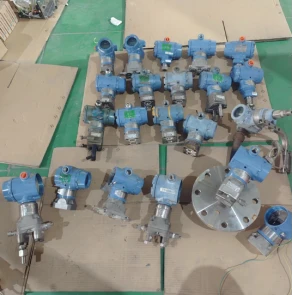
Clone and refurbished Rosemount transmitters are widespread in the global instrument market. Many low-cost counterfeit units look identical to original products but lack factory calibration, official certification, and long-term stability.
For EPC contractors, chemical plants, power stations, and system integrators, using fake transmitters often leads to site rejection, signal failure, safety hazards, and costly project delays.
Main Risks of Clone Rosemount Transmitters
• Unstable measurement: No factory CVD calibration, causing zero drift, fluctuating 4-20mA signals, and inaccurate readings.
• Invalid certifications: Fake ATEX, IECEx, FM, and SIL2 documents cannot pass third-party audits or owner inspections.
• Poor durability: Low-grade housing and sealing materials fail under high temperature, low temperature, or vibration conditions.
• No official support: Clone devices cannot be recognized or configured by Trex, 475 communicator, or Emerson AMS software. No serial traceability.
Original vs Clone – Key Identification Points
1. Serial Number Traceability
Original: Unique laser serial number registered in the Emerson global database. Production batch, certification, and factory data are fully verifiable.
Clone: Duplicated, empty, or unregistered serial numbers with no official records.
2. Official Documents
Original: Comes with factory calibration certificate, test report, and complete certification files for tender and customs clearance.
Clone: Only basic copies without factory official seals and valid verification sources.
3. Appearance & Craftsmanship
Original: Smooth laser marking, uniform paint, precise assembly gaps, and standard industrial terminals.
Clone: Blurred logo, rough engraving, uneven color, and loose structure.
4. Communication Compatibility
Original: Fully compatible with HART 7, Trex communicator, and official Emerson configuration tools.
Clone: Frequently offline, unable to read full device information, or parameter loss after reboot.
EPC Standard: How to Avoid Fake Instruments
1. Verify every serial number through the official Emerson system before acceptance.
2. Require complete factory document packages for project filing.
3. Test HART communication and signal stability on site.
4. Avoid abnormally low-priced stock from unknown suppliers.
Why Buy From Us
We are a reliable stocking supplier for original Emerson Rosemount instruments.
• 100% factory new original, no clone, no refurbished units
• All serial numbers verifiable on official Emerson database
• Full set of certificates and calibration documents provided
• Fast global shipping and professional technical support for EPC bulk orders
CTA
Send your Rosemount part list now. We provide free serial number checking, cross reference support, and genuine original bulk pricing for your industrial projects.
Understand the key differences between original and clone Rosemount transmitters. Learn common fake instrument risks and how EPC buyers verify genuine Emerson devices to avoid project failure.


