


As a seasoned supplier of Rail Mount Temperature Transmitters, I've witnessed firsthand the pivotal role these devices play in a wide array of industries. In this blog, I'll delve into the working principle of a Rail Mount Temperature Transmitter, shedding light on how it functions and why it's a crucial component in many industrial processes.
The Basics of Temperature Measurement
Before we dive into the working principle of a Rail Mount Temperature Transmitter, it's essential to understand the basics of temperature measurement. Temperature is a fundamental physical quantity that indicates the degree of hotness or coldness of an object or environment. In industrial applications, accurate temperature measurement is critical for ensuring product quality, process efficiency, and safety.
There are several methods for measuring temperature, including thermocouples, resistance temperature detectors (RTDs), and thermistors. Each method has its own advantages and disadvantages, and the choice of temperature sensor depends on the specific application requirements.

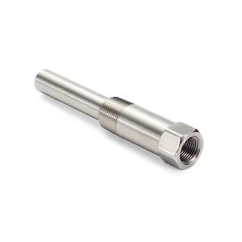
What is a Rail Mount Temperature Transmitter?
A Rail Mount Temperature Transmitter is a device that converts the electrical signal from a temperature sensor into a standardized output signal, such as 4-20 mA or 0-10 V. This output signal can then be transmitted to a control system or monitoring device for further processing and analysis.
The main advantage of using a Rail Mount Temperature Transmitter is that it provides a standardized output signal that is independent of the temperature sensor type and the length of the sensor cable. This makes it easier to integrate the temperature measurement system into a larger control system and ensures accurate and reliable temperature measurement.
Working Principle of a Rail Mount Temperature Transmitter
The working principle of a Rail Mount Temperature Transmitter can be divided into three main stages: signal conditioning, conversion, and output.
Signal Conditioning
The first stage of the working principle is signal conditioning. The electrical signal from the temperature sensor is typically very small and may contain noise and interference. The signal conditioning circuit in the Rail Mount Temperature Transmitter amplifies the signal, filters out the noise and interference, and adjusts the signal level to a suitable range for further processing.
For example, if the temperature sensor is a thermocouple, the signal conditioning circuit will amplify the small voltage signal generated by the thermocouple and convert it into a voltage signal that is proportional to the temperature. If the temperature sensor is an RTD, the signal conditioning circuit will measure the resistance of the RTD and convert it into a voltage signal that is proportional to the temperature.
Conversion
The second stage of the working principle is conversion. The conditioned voltage signal from the signal conditioning circuit is then converted into a standardized output signal, such as 4-20 mA or 0-10 V. This conversion is typically done using an analog-to-digital converter (ADC) and a digital-to-analog converter (DAC).
The ADC converts the analog voltage signal into a digital signal, which can then be processed by a microcontroller or other digital circuit. The microcontroller then performs the necessary calculations to convert the digital signal into a standardized output signal. The DAC then converts the digital output signal back into an analog output signal, which is then transmitted to the control system or monitoring device.
Output
The final stage of the working principle is output. The standardized output signal from the conversion stage is then transmitted to the control system or monitoring device via a cable or wireless connection. The output signal can be used for a variety of purposes, such as controlling a heating or cooling system, monitoring the temperature of a process, or triggering an alarm if the temperature exceeds a certain limit.
Types of Rail Mount Temperature Transmitters
There are several types of Rail Mount Temperature Transmitters available on the market, each with its own features and advantages. Some of the most common types include:
Two-Wire Temperature Transmitters
Two-wire temperature transmitters are the most common type of Rail Mount Temperature Transmitter. They are powered by the same two wires that are used to transmit the output signal, which makes them easy to install and reduces the cost of wiring. Two-wire temperature transmitters are typically used in applications where the distance between the temperature sensor and the control system is relatively short.
Four-Wire Temperature Transmitters
Four-wire temperature transmitters are used in applications where the distance between the temperature sensor and the control system is relatively long or where high accuracy is required. They have separate power and signal wires, which allows for more accurate temperature measurement and reduces the effects of cable resistance and interference.
Wireless Temperature Transmitters
Wireless temperature transmitters are becoming increasingly popular in industrial applications. They use wireless communication technology, such as Wi-Fi or Bluetooth, to transmit the temperature data to the control system or monitoring device. Wireless temperature transmitters are easy to install and can be used in applications where wiring is difficult or impossible. You can learn more about Wireless Temperature Transmitter on our website.
Applications of Rail Mount Temperature Transmitters
Rail Mount Temperature Transmitters are used in a wide variety of industries and applications, including:
Industrial Automation
In industrial automation, Rail Mount Temperature Transmitters are used to monitor and control the temperature of various processes, such as heating, cooling, and chemical reactions. They are an essential component of any industrial control system and help to ensure the efficiency and reliability of the production process.
HVAC Systems
In HVAC systems, Rail Mount Temperature Transmitters are used to measure the temperature of the air and water in the system. They are used to control the operation of the heating and cooling equipment and to ensure that the indoor temperature is maintained at a comfortable level.
Food and Beverage Industry
In the food and beverage industry, Rail Mount Temperature Transmitters are used to monitor and control the temperature of the food and beverage products during processing, storage, and transportation. They are an important tool for ensuring the safety and quality of the products.
Pharmaceutical Industry
In the pharmaceutical industry, Rail Mount Temperature Transmitters are used to monitor and control the temperature of the drugs and vaccines during production, storage, and transportation. They are critical for ensuring the efficacy and safety of the pharmaceutical products.
Advantages of Using Our Rail Mount Temperature Transmitters
As a leading supplier of Rail Mount Temperature Transmitters, we offer a range of high-quality products that are designed to meet the needs of various industries and applications. Some of the advantages of using our Rail Mount Temperature Transmitters include:
High Accuracy
Our Rail Mount Temperature Transmitters are designed to provide high accuracy temperature measurement, with an accuracy of up to ±0.1°C. This ensures that you get reliable and accurate temperature data for your applications.
Wide Temperature Range
Our Rail Mount Temperature Transmitters can measure temperatures in a wide range, from -200°C to +1800°C. This makes them suitable for a variety of industrial applications.
Easy Installation
Our Rail Mount Temperature Transmitters are easy to install and can be mounted on a standard DIN rail. They also come with a variety of input and output options, which makes them easy to integrate into your existing control system.
Reliable Performance
Our Rail Mount Temperature Transmitters are built to last and are designed to operate in harsh industrial environments. They are resistant to shock, vibration, and electromagnetic interference, which ensures reliable performance even in the most demanding applications.
Conclusion
In conclusion, Rail Mount Temperature Transmitters are an essential component of any temperature measurement system. They provide a standardized output signal that is independent of the temperature sensor type and the length of the sensor cable, which makes it easier to integrate the temperature measurement system into a larger control system and ensures accurate and reliable temperature measurement.
If you're looking for a high-quality Rail Mount Temperature Transmitter for your industrial application, look no further. We offer a range of products that are designed to meet the needs of various industries and applications. Whether you need a 114C Thermowell or a 644 Temperature Transmitter, we have the right solution for you.
If you have any questions or would like to discuss your specific requirements, please don't hesitate to contact us. We're here to help you find the best temperature measurement solution for your application.
References
- "Temperature Measurement Handbook," Omega Engineering Inc.
- "Industrial Temperature Sensors: Principles, Characteristics, and Applications," John Wiley & Sons, Inc.
- "Thermocouples: Theory, Design, and Application," CRC Press.


