


In the realm of industrial instrumentation, pressure transmitters play a pivotal role in ensuring the smooth and efficient operation of various processes. As a reputable pressure transmitter supplier, I understand the significance of every technical aspect that contributes to the performance of these devices. One such crucial parameter is the repeatability of a pressure transmitter, which can significantly impact the accuracy and reliability of pressure measurements in industrial applications.
Understanding Repeatability
Repeatability refers to the ability of a pressure transmitter to provide the same output when measuring the same pressure value under the same operating conditions over multiple measurements. In simpler terms, it is a measure of how consistently a transmitter can reproduce its readings. A high - level of repeatability is essential because it indicates that the transmitter will give reliable and consistent data, which is vital for process control, safety monitoring, and quality assurance in industrial settings.
To illustrate, consider a chemical manufacturing process where precise pressure control is necessary to ensure the quality and safety of the final product. If the pressure transmitter used in this process lacks good repeatability, it may provide inconsistent pressure readings. This could lead to incorrect adjustments in the process, potentially resulting in product defects, equipment damage, or even safety hazards.
Factors Affecting Repeatability
Several factors can influence the repeatability of a pressure transmitter. One of the primary factors is the quality of the sensing element. The sensing element is the heart of the pressure transmitter, responsible for converting the pressure into an electrical signal. High - quality sensing elements made from stable materials, such as certain types of stainless steel or ceramic, are more likely to provide consistent performance over time.
For example, the Rosemount 3051C Gage Pressure Transmitter | Robust Process Monitoring | Emerson [/pressure-transmitter/rosemount-3051c-gage-pressure-transmitter.html] uses advanced sensing technology. Its sensing element is designed to be highly stable, which contributes to excellent repeatability. This makes it suitable for a wide range of industrial applications where accurate and consistent pressure measurements are required.
Another factor is the internal electronics of the transmitter. The electronics are responsible for processing the signal from the sensing element and converting it into a usable output. High - quality electronics with low noise and high - precision components can enhance the repeatability of the transmitter.
Temperature can also have a significant impact on repeatability. Changes in temperature can cause the sensing element and other components of the transmitter to expand or contract, which may affect the pressure measurement. Pressure transmitters with good temperature compensation mechanisms are better able to maintain repeatability across a wide temperature range. The Rosemount 3051C Absolute Pressure Transmitter | Vacuum & Distillation Expertise | Emerson [/pressure-transmitter/rosemount-3051c-absolute-pressure-transmitter.html] is designed with advanced temperature compensation features, ensuring reliable performance even in challenging temperature environments.
Measuring Repeatability
The repeatability of a pressure transmitter is typically measured by taking multiple readings of the same pressure value under the same conditions. The readings are then analyzed to determine the variation between them. A common way to express repeatability is as a percentage of the full - scale output of the transmitter.
For instance, if a pressure transmitter has a full - scale output of 0 - 100 psi and a repeatability of ±0.1%, it means that the variation in the output for the same pressure input will be within ±0.1 psi. A lower percentage value indicates better repeatability.
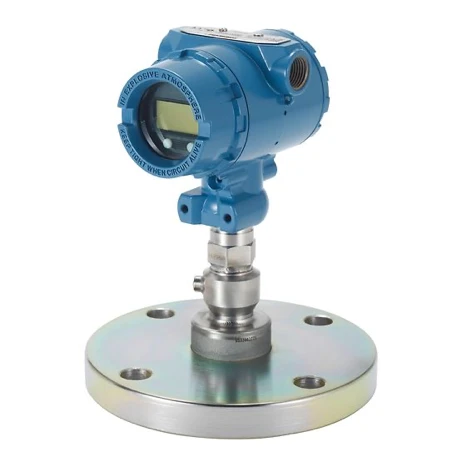

During the manufacturing process, pressure transmitters are rigorously tested to ensure they meet the specified repeatability standards. These tests involve applying a known pressure multiple times and recording the output. The data is then analyzed using statistical methods to determine the repeatability of the device.
Importance in Different Industries
In the oil and gas industry, pressure transmitters are used in various applications, such as wellhead monitoring, pipeline pressure control, and refining processes. High repeatability is crucial in these applications to ensure the safe and efficient operation of the facilities. For example, in a pipeline, inconsistent pressure readings could lead to undetected leaks or over - pressurization, which can have serious consequences.
In the pharmaceutical industry, where strict quality control is required, pressure transmitters with high repeatability are essential for processes such as fermentation, filtration, and sterilization. Accurate and consistent pressure measurements are necessary to ensure the quality and purity of the pharmaceutical products.
The food and beverage industry also relies on pressure transmitters with good repeatability. In processes like bottling, canning, and brewing, precise pressure control is needed to ensure product quality and consistency. A pressure transmitter with poor repeatability could result in under - or over - filled containers, affecting the taste and quality of the products.
Our Product Range and Repeatability
As a pressure transmitter supplier, we offer a diverse range of products, each designed to meet the specific needs of different industries. Our 2088 Pressure Transmitter [/pressure-transmitter/2088-pressure-transmitter.html] is known for its excellent repeatability. It is a cost - effective solution suitable for a variety of general - purpose applications.
The 2088 Pressure Transmitter uses a high - quality sensing element and advanced electronics to ensure consistent performance. It has been tested and proven to provide reliable and repeatable pressure measurements, making it a popular choice among our customers.
We also offer the Rosemount series of pressure transmitters, which are renowned for their high - performance and excellent repeatability. These transmitters are designed with state - of - the - art technology and undergo strict quality control measures during the manufacturing process.
Ensuring Long - Term Repeatability
To ensure the long - term repeatability of pressure transmitters, proper installation, maintenance, and calibration are essential. During installation, it is important to follow the manufacturer's guidelines to ensure the transmitter is mounted correctly and is not exposed to excessive vibration or mechanical stress.
Regular maintenance, such as cleaning the sensing element and checking the electrical connections, can help prevent issues that may affect repeatability. Calibration is also crucial. Over time, the performance of a pressure transmitter may drift, and calibration can restore its accuracy and repeatability. We recommend calibrating pressure transmitters at regular intervals, depending on the application and the environment in which they are used.
Contact Us for Your Pressure Transmitter Needs
If you are looking for pressure transmitters with high repeatability for your industrial applications, we are here to help. Our team of experts can provide you with detailed information about our products, including their repeatability specifications, and help you choose the right transmitter for your specific needs.
Whether you are in the oil and gas, pharmaceutical, food and beverage, or any other industry, we have the solutions to meet your pressure measurement requirements. Contact us today to start a discussion about your project and explore how our pressure transmitters can enhance the performance and reliability of your processes.
References
- "Industrial Instrumentation and Control Handbook", Third Edition, by Bela G. Liptak
- Technical documentation of Rosemount pressure transmitters provided by Emerson
- Industry standards and guidelines for pressure measurement and instrumentation


