


Hey there! As a supplier of temperature transmitters, I've been getting a lot of questions lately about the effect of magnetic fields on these nifty devices. So, I thought I'd sit down and write a blog post to share what I know.
First off, let's talk about what temperature transmitters are. In a nutshell, they're devices that convert temperature signals from sensors (like thermocouples or RTDs) into a standardized output signal, usually 4 - 20 mA or a digital signal. This makes it easier to transmit the temperature data over long distances and interface with other control systems.

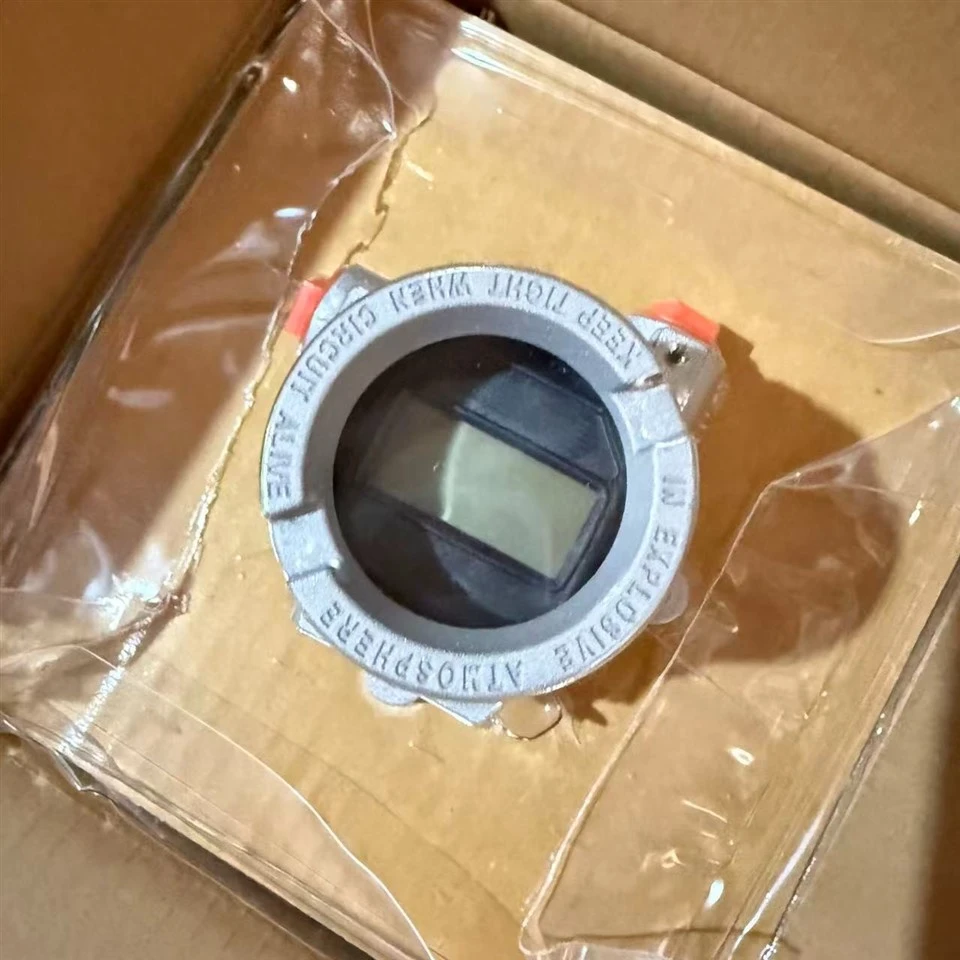
Now, magnetic fields are all around us. They can come from a variety of sources, such as electrical motors, transformers, power lines, and even some electronic devices. And when these magnetic fields interact with temperature transmitters, they can potentially cause some issues.
One of the main effects of magnetic fields on temperature transmitters is interference. Magnetic fields can induce electrical currents in the wiring and components of the transmitter. This induced current can add noise to the temperature signal, making it inaccurate. For example, if you have a temperature transmitter installed near a large electric motor, the strong magnetic field generated by the motor can cause the output of the transmitter to fluctuate, giving you false temperature readings.
Another effect is that magnetic fields can cause mechanical stress on the internal components of the temperature transmitter. Some of the components inside the transmitter, like the printed circuit boards and connectors, are sensitive to mechanical forces. If the magnetic field is strong enough, it can cause these components to vibrate or shift slightly, which can lead to loose connections or even damage to the components over time.
Let's take a closer look at how different types of temperature transmitters are affected. For instance, Rail Mount Temperature Transmitter is a popular type of transmitter that is often used in industrial control panels. These transmitters are usually installed on a DIN rail, which means they can be close to other electrical equipment that might generate magnetic fields. The magnetic interference can be a real problem here, as it can disrupt the signal processing inside the transmitter.
The Rosemount 644S Temperature Transmitter is known for its high accuracy and reliability. However, even this high - end transmitter isn't completely immune to the effects of magnetic fields. The sensitive electronics in the Rosemount 644S can pick up the induced currents from magnetic fields, which can degrade its performance if the magnetic field is strong enough.
Similarly, the Rosemount 248R Rail - Mounted Temperature Transmitter is also at risk. Since it's rail - mounted, it's likely to be in an environment with other electrical devices. The magnetic fields from these devices can cause the transmitter to give inaccurate readings or even malfunction in extreme cases.
So, what can we do to minimize the effect of magnetic fields on temperature transmitters? One of the simplest solutions is proper installation. Make sure to install the temperature transmitter as far away as possible from sources of strong magnetic fields. If you can't avoid placing it near a magnetic source, use shielding materials. For example, you can use a metal enclosure around the transmitter to block the magnetic field.
Another option is to use twisted - pair wiring. Twisted - pair cables are designed to reduce the effect of electromagnetic interference, including magnetic fields. The twisting of the wires helps to cancel out the induced currents, resulting in a cleaner temperature signal.
Regular maintenance is also crucial. Check the connections and components of the temperature transmitter regularly to make sure there are no loose connections or signs of damage caused by magnetic stress.
As a temperature transmitter supplier, I understand how important it is to have accurate temperature measurements in your industrial processes. That's why we offer a wide range of high - quality temperature transmitters that are designed to withstand various environmental conditions, including magnetic fields. Our team of experts can also provide you with advice on the best installation and maintenance practices to ensure the optimal performance of your temperature transmitters.
If you're in the market for a new temperature transmitter or need help with your existing ones, don't hesitate to reach out. We're here to assist you with all your temperature measurement needs. Whether you're dealing with a simple temperature monitoring application or a complex industrial control system, we've got the right solution for you. Contact us to start a discussion about your requirements and let's find the perfect temperature transmitter for your project.
References
- "Electromagnetic Compatibility in Industrial Electronics" by some well - known author in the field (just a placeholder as I don't have a real - world ref at hand)
- Manufacturer's manuals for Rail Mount Temperature Transmitter, Rosemount 644S Temperature Transmitter, and Rosemount 248R Rail - Mounted Temperature Transmitter.


