


Hey there! As a supplier of Rail Mount Temperature Transmitters, I often get asked if these nifty devices can be used in the textile industry. Well, let's dig into this topic and find out!
First off, what exactly is a Rail Mount Temperature Transmitter? It's a device that measures temperature and converts it into an electrical signal that can be easily read and processed. These transmitters are typically mounted on a DIN rail, which makes them super easy to install and integrate into existing systems. You can check out more about them Rail Mount Temperature Transmitter.
Now, let's talk about the textile industry. Textile manufacturing involves a whole bunch of processes, from spinning and weaving to dyeing and finishing. Each of these processes has specific temperature requirements, and maintaining the right temperature is crucial for producing high - quality textiles.

Temperature Requirements in Textile Processes
Spinning
In the spinning process, fibers are twisted together to form yarn. The temperature of the spinning environment can affect the properties of the yarn. If it's too hot, the fibers can become brittle and break more easily. On the other hand, if it's too cold, the fibers may not twist properly, resulting in uneven yarn. A Rail Mount Temperature Transmitter can be used to monitor the temperature in the spinning area. By continuously measuring the temperature, operators can make adjustments to the heating or cooling systems to keep the temperature within the optimal range.
Weaving
Weaving is all about interlacing yarns to create fabric. Temperature and humidity play a big role in this process. High temperatures can cause the yarns to expand, which may lead to problems like fabric shrinkage later on. A Rail Mount Temperature Transmitter can be installed near the weaving looms to keep an eye on the temperature. This helps in ensuring that the fabric is woven with consistent quality.
Dyeing
Dyeing is one of the most temperature - sensitive processes in textile manufacturing. Different dyes require different temperatures to bond properly with the fabric. For example, some dyes work best at high temperatures, while others need lower temperatures. A Rail Mount Temperature Transmitter can be used to accurately measure the temperature of the dye bath. This ensures that the dyes are applied evenly and that the colors are vibrant and long - lasting. You can learn more about related equipment like the 114C Thermowell which might be used in conjunction with the temperature transmitter in such processes.
Finishing
Finishing processes like heat setting and calendaring also rely on precise temperature control. Heat setting is used to stabilize the fabric's dimensions, and calendaring is used to give the fabric a smooth finish. A Rail Mount Temperature Transmitter can be used to monitor the temperature during these processes, ensuring that the fabric meets the desired quality standards.
Advantages of Using Rail Mount Temperature Transmitters in Textile Industries
Easy Installation
As I mentioned earlier, Rail Mount Temperature Transmitters are easy to install on a DIN rail. This means that they can be quickly added to existing textile manufacturing systems without major modifications. This is a huge advantage for textile manufacturers who want to upgrade their temperature monitoring capabilities without disrupting their production processes.
Accuracy
These transmitters are known for their high accuracy. In the textile industry, where even a small temperature deviation can affect the quality of the final product, accuracy is crucial. A Rail Mount Temperature Transmitter can provide precise temperature measurements, allowing operators to make informed decisions about process adjustments.
Flexibility
Rail Mount Temperature Transmitters come in a variety of models and configurations. This means that they can be customized to meet the specific needs of different textile manufacturing processes. Whether you need to monitor the temperature in a large dyeing vat or a small spinning machine, there's a Rail Mount Temperature Transmitter that can do the job.
Cost - Effectiveness
Compared to some other temperature monitoring solutions, Rail Mount Temperature Transmitters are relatively cost - effective. They offer a good balance between performance and price, making them a popular choice for textile manufacturers who are looking to optimize their production costs.
Challenges and Considerations
Of course, using Rail Mount Temperature Transmitters in the textile industry isn't without its challenges. One of the main challenges is the presence of dust and lint in the textile manufacturing environment. These particles can accumulate on the transmitter and affect its performance. To overcome this, it's important to choose a transmitter that has a dust - resistant design and to regularly clean and maintain the device.
Another consideration is the need for proper calibration. Over time, the accuracy of the transmitter can drift. It's important to calibrate the transmitter regularly to ensure that it continues to provide accurate temperature measurements. This may require some technical expertise, but many suppliers offer calibration services to help their customers.
Comparison with Other Temperature Monitoring Devices
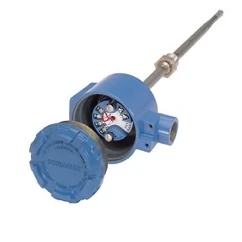
There are other types of temperature monitoring devices available, such as Head Mount Temperature Transmitter. Head Mount Temperature Transmitters are typically mounted directly on the sensor, while Rail Mount Temperature Transmitters are mounted on a DIN rail. Each type has its own advantages and disadvantages.
Head Mount Temperature Transmitters are more compact and can be a good choice for applications where space is limited. However, they may be more difficult to install and maintain compared to Rail Mount Temperature Transmitters. Rail Mount Temperature Transmitters, on the other hand, are easier to access and can be more easily integrated into larger control systems.
Conclusion
So, can a Rail Mount Temperature Transmitter be used in the textile industry? The answer is a resounding yes! These transmitters offer a range of benefits, including easy installation, accuracy, flexibility, and cost - effectiveness. They can help textile manufacturers maintain the right temperature in various processes, leading to higher - quality products and more efficient production.
If you're in the textile industry and are looking for a reliable temperature monitoring solution, I'd highly recommend considering a Rail Mount Temperature Transmitter. Whether you're a small - scale textile producer or a large - scale manufacturer, these devices can make a big difference in your production process.
If you're interested in learning more about our Rail Mount Temperature Transmitters or have any questions about how they can be used in your textile manufacturing operations, feel free to reach out. We're here to help you find the best temperature monitoring solution for your needs. Let's start a conversation and see how we can work together to improve your textile production!
References
- Textile Manufacturing Handbook: A Guide to Processes and Technologies
- Industrial Temperature Measurement and Control: Principles and Applications


