


In the highly regulated and precise world of pharmaceutical production, temperature control is not just a matter of preference but a critical requirement for ensuring product quality, safety, and compliance. As a leading supplier of head mount temperature transmitters, I often encounter the question: Can a head mount temperature transmitter be used in a pharmaceutical production environment? This blog aims to explore this question in detail, highlighting the capabilities, advantages, and considerations of using head mount temperature transmitters in pharmaceutical settings.
Understanding the Pharmaceutical Production Environment
Pharmaceutical production involves a series of complex processes, from raw material storage and processing to final product packaging. Each stage has specific temperature requirements that must be strictly maintained to prevent product degradation, microbial growth, and other quality issues. For example, during the storage of vaccines, the temperature must be kept within a narrow range to preserve their efficacy. Similarly, in the manufacturing of certain drugs, precise temperature control is essential for chemical reactions to occur correctly.
Moreover, pharmaceutical facilities are subject to strict regulatory standards, such as Good Manufacturing Practices (GMP) and the regulations set by the Food and Drug Administration (FDA) in the United States. These standards require accurate temperature monitoring and documentation to ensure product quality and traceability.
Capabilities of Head Mount Temperature Transmitters
Head mount temperature transmitters are designed to be directly mounted on temperature sensors, such as thermocouples or RTDs (Resistance Temperature Detectors). They convert the temperature signal from the sensor into a standardized output signal, such as 4 - 20 mA or digital communication protocols like HART or Modbus. This allows for easy integration with control systems and data loggers.
One of the key advantages of head mount temperature transmitters is their compact size and proximity to the sensor. This reduces the length of the signal cable, minimizing signal interference and improving measurement accuracy. Additionally, many head mount temperature transmitters offer features such as linearization, cold junction compensation, and self - diagnosis, which further enhance their performance.
For example, the Rosemount 644S Temperature Transmitter is a high - performance head mount temperature transmitter that provides accurate and reliable temperature measurements. It offers advanced diagnostic capabilities, allowing for early detection of sensor failures or other issues.
Advantages of Using Head Mount Temperature Transmitters in Pharmaceutical Production
Accuracy and Precision
In pharmaceutical production, even small temperature variations can have a significant impact on product quality. Head mount temperature transmitters can provide highly accurate temperature measurements, with some models offering an accuracy of up to ±0.1°C. This level of precision is crucial for ensuring that the production processes are carried out within the specified temperature ranges.
Real - Time Monitoring
Head mount temperature transmitters can be connected to control systems or data loggers to provide real - time temperature data. This allows operators to monitor the temperature continuously and take immediate action if any deviations occur. Real - time monitoring also enables the implementation of automated control strategies, such as adjusting heating or cooling systems based on the measured temperature.
Easy Installation and Maintenance
The compact design of head mount temperature transmitters makes them easy to install directly on the temperature sensors. This reduces the need for additional mounting hardware and simplifies the installation process. Additionally, they are generally easy to maintain, with many models offering self - diagnostic features that can help identify and troubleshoot problems quickly.
Compatibility with Existing Systems
Most head mount temperature transmitters are designed to be compatible with a wide range of temperature sensors and control systems. This means that they can be easily integrated into existing pharmaceutical production facilities without the need for major system overhauls. For example, they can be connected to Programmable Logic Controllers (PLCs) or Distributed Control Systems (DCS) using standard communication protocols.
Considerations for Using Head Mount Temperature Transmitters in Pharmaceutical Production
Hygiene and Cleanability
Pharmaceutical production facilities require strict hygiene standards to prevent contamination. Head mount temperature transmitters should be designed to be easy to clean and resistant to chemicals and disinfectants. Some models are available with hygienic enclosures that are smooth and free of crevices, making them suitable for use in cleanroom environments.
Environmental Conditions
Pharmaceutical production environments can have a wide range of environmental conditions, including high humidity, temperature fluctuations, and exposure to chemicals. Head mount temperature transmitters should be able to withstand these conditions without compromising their performance. For example, they should have a high level of protection against dust and moisture, as indicated by their IP (Ingress Protection) rating.

Regulatory Compliance
As mentioned earlier, pharmaceutical production is subject to strict regulatory standards. Head mount temperature transmitters used in these environments must comply with relevant regulations, such as FDA regulations and GMP requirements. This may include features such as calibration traceability, data security, and audit trail capabilities.
Comparison with Other Types of Temperature Transmitters
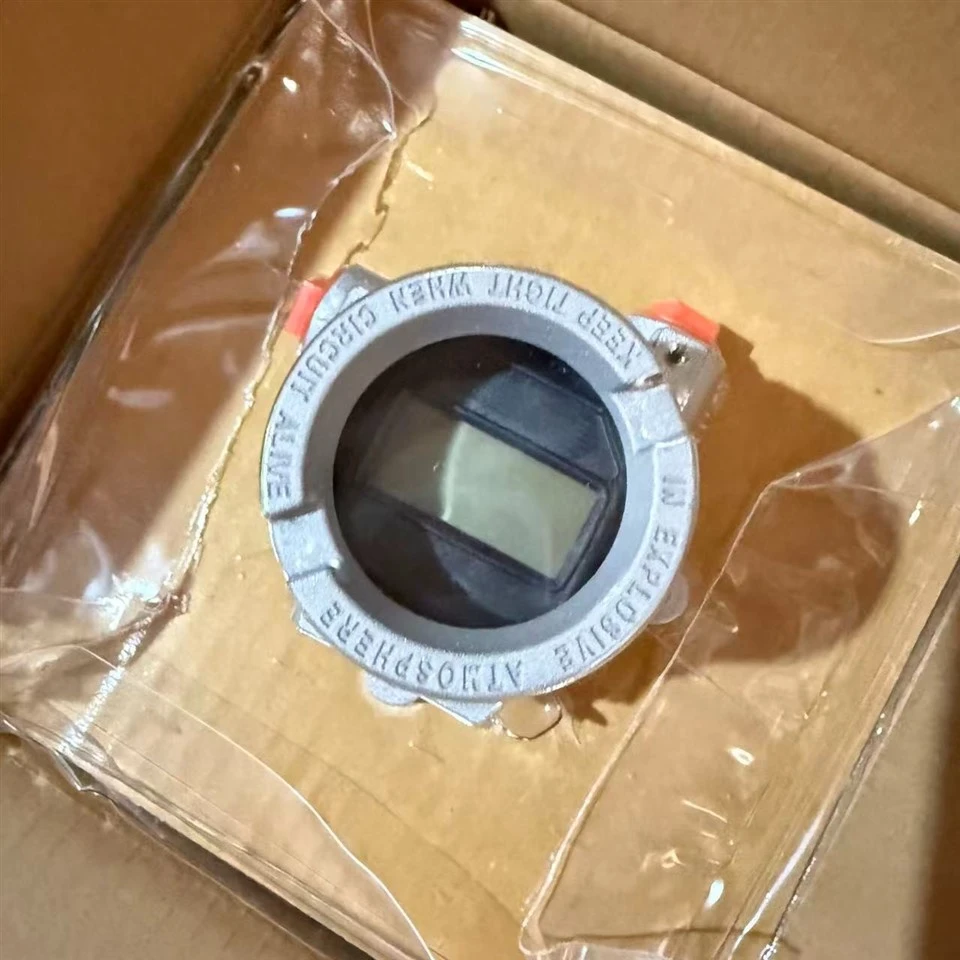
In addition to head mount temperature transmitters, there are other types of temperature transmitters available, such as Rail Mount Temperature Transmitter and Rosemount 3144P Temperature Transmitter With Local Display. Rail mount temperature transmitters are typically installed on a DIN rail in a control panel, while the Rosemount 3144P offers a local display for easy viewing of temperature readings.
While these other types of temperature transmitters have their own advantages, head mount temperature transmitters are often preferred in pharmaceutical production due to their proximity to the sensor and the resulting reduction in signal interference. However, the choice of temperature transmitter depends on the specific requirements of the application, such as the number of sensors, the distance between the sensors and the control system, and the need for local display.
Conclusion
In conclusion, head mount temperature transmitters can be effectively used in a pharmaceutical production environment. Their accuracy, real - time monitoring capabilities, easy installation, and compatibility with existing systems make them a suitable choice for ensuring precise temperature control in pharmaceutical processes. However, it is important to consider factors such as hygiene, environmental conditions, and regulatory compliance when selecting a head mount temperature transmitter.
If you are involved in pharmaceutical production and are looking for a reliable temperature monitoring solution, our company offers a wide range of high - quality head mount temperature transmitters. We have the expertise and experience to help you select the right product for your specific needs. Contact us today to start a discussion about your temperature monitoring requirements and explore how our head mount temperature transmitters can enhance the quality and efficiency of your pharmaceutical production processes.
References
- "Good Manufacturing Practices for Drugs", U.S. Food and Drug Administration.
- Technical documentation of Rosemount 644S Temperature Transmitter.
- Technical documentation of Rail Mount Temperature Transmitter.
- Technical documentation of Rosemount 3144P Temperature Transmitter With Local Display.


